
In the blink of an eye, ten years have passed. From the first time I touched .NET to today, it has been exactly ten years. Sometimes I wonder, if I could go back to the beginning, back to the Qinhu Lake on my alma mater's campus, would I still choose to learn and stick with .NET for ten years? I think the answer is yes. Of course, many factors need to be considered—whether it's the beginner-friendliness, the devices available at the time, or the environment. I think I would still learn it, just like Microsoft's persistence over the past twenty years, never giving up, always keeping .NET as a vital part of its business landscape.
Today, let me share a memoir. I found 20 images online; let's recall the twenty years of .NET from the IDE's perspective!
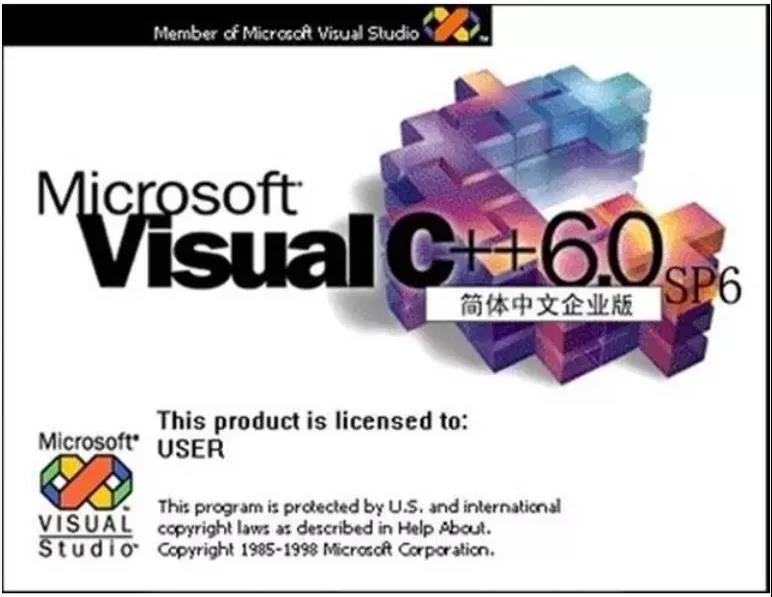
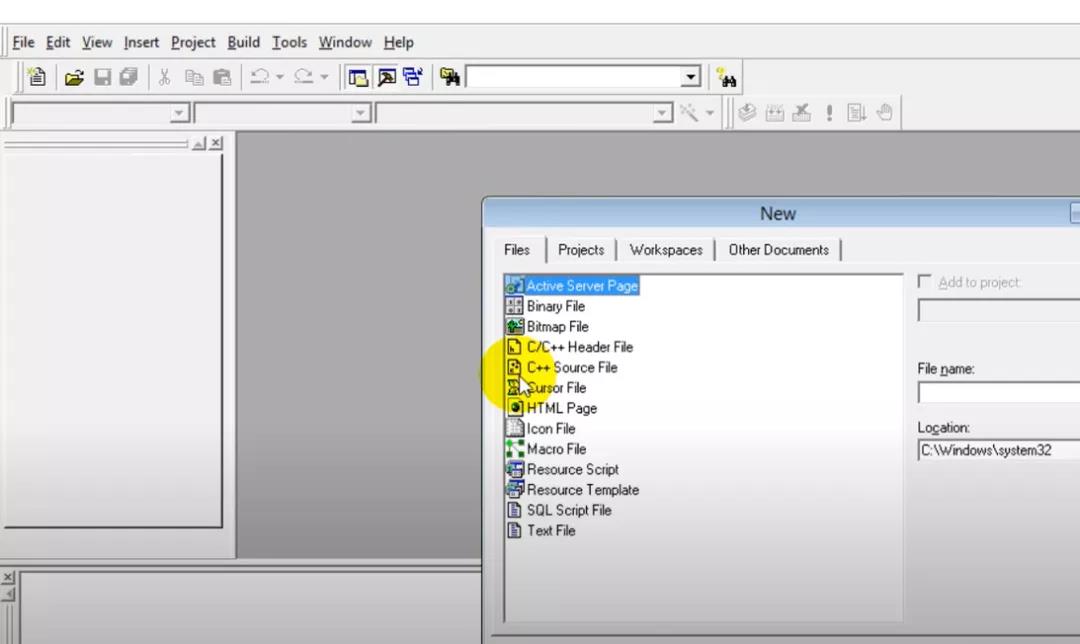
0: Visual C++ 6.0


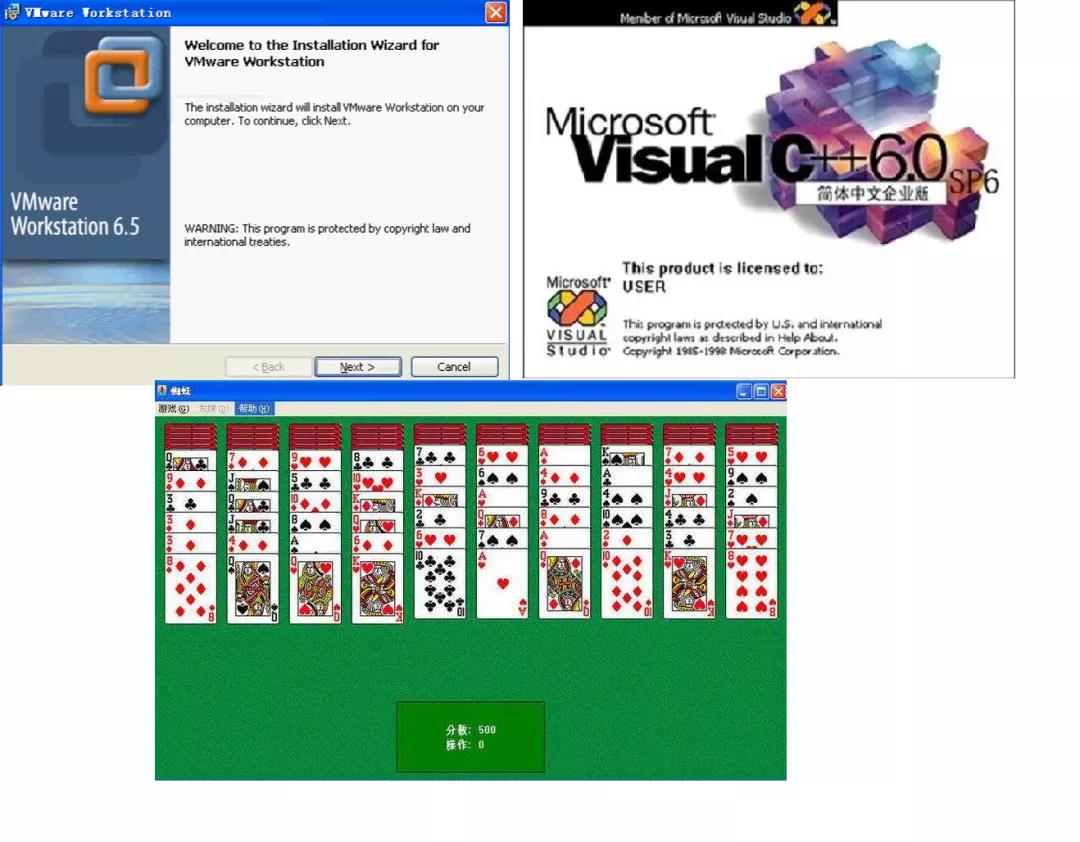
Anyone who studied C/C++ in college has surely seen this startup animation, instantly making their heads buzz. I remember when I first entered university without a personal computer; every time we studied programming in the computer lab, we had to open this software and write code. It was the beginning of my programming career. However, the computers were bulky, with CRT monitors and ball mice. Opening Visual C++ required a virtual machine. So during freshman year, there were only three pieces of software in the lab computers: VM, Visual C++, and Spider Solitaire 🤣. Those who know, know.

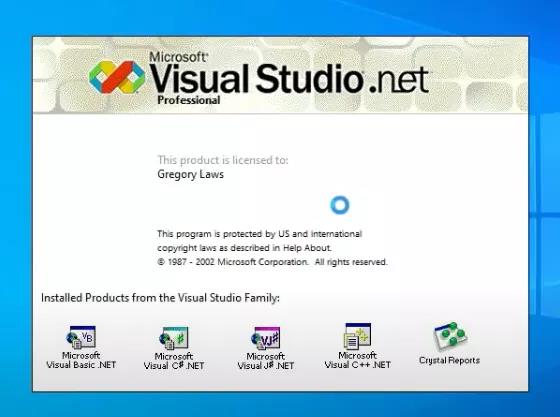
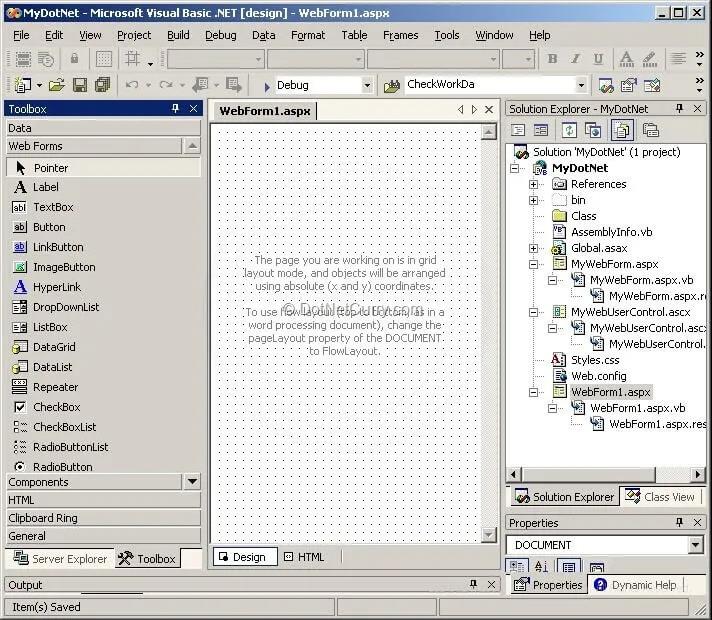
1. Visual Studio 2003
During freshman and sophomore years, every course project required C/C++, but in the second semester of sophomore year, the language requirement shifted to C#, which made me very happy! Of course, I didn't use 2003; I used its successor. At that time, VS2003 was still called VS .NET 2003.

VS2003 came with .NET 1.1. It felt much more concise and efficient than C++, and the syntax was more comfortable. Pointers and the like were all discarded 😂.

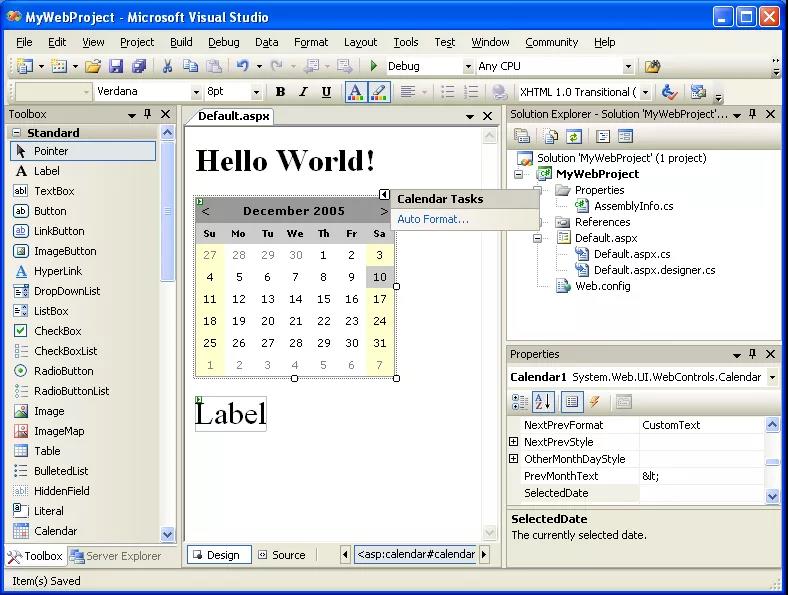
2. Visual Studio 2005
VS2005 truly elevated .NET to a certain height. What I'll never forget is drag-and-drop controls; dragging, dropping, and effortlessly completing a complex project:

This "Hello World" must have been a dream for many: drag controls, double-click to add event handlers, the Pageload function, first-time loading, SQL Connection—all like a dream from the past:

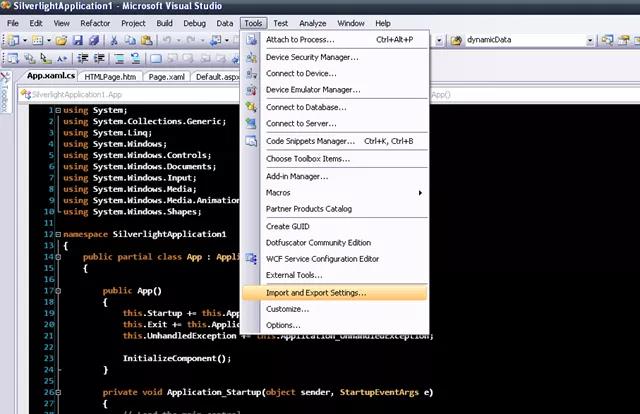
3. Visual Studio 2008
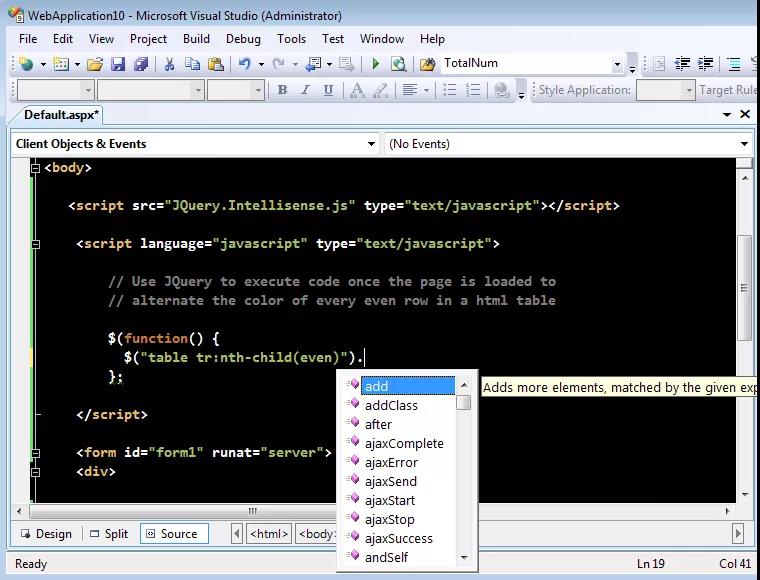
VS2005's interface was still somewhat retro. Those years were a period of rapid .NET development, and the interface began to improve, such as introducing dark themes:

At the same time, VS2008 came with .NET Framework 3.5, which supported some jQuery APIs:

I used VS2008 during my first job, which was also my internship. I started writing JavaScript then, getting tangled up and confused. I felt like it was the beginning of going full-stack.
ASPX was already quite mature, but at that time, another heavyweight Microsoft framework was quietly emerging, stirring up waves.
4. Visual Studio 2010
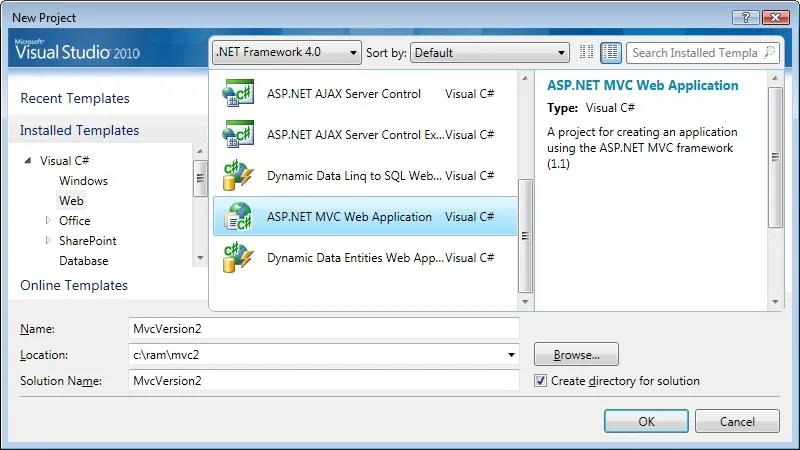
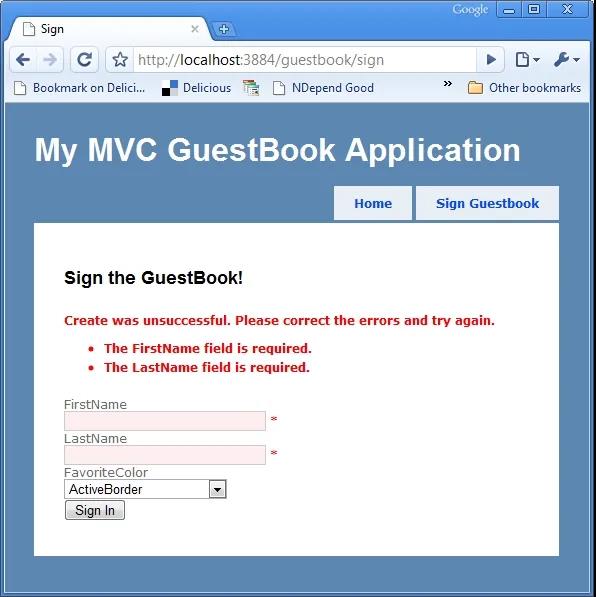
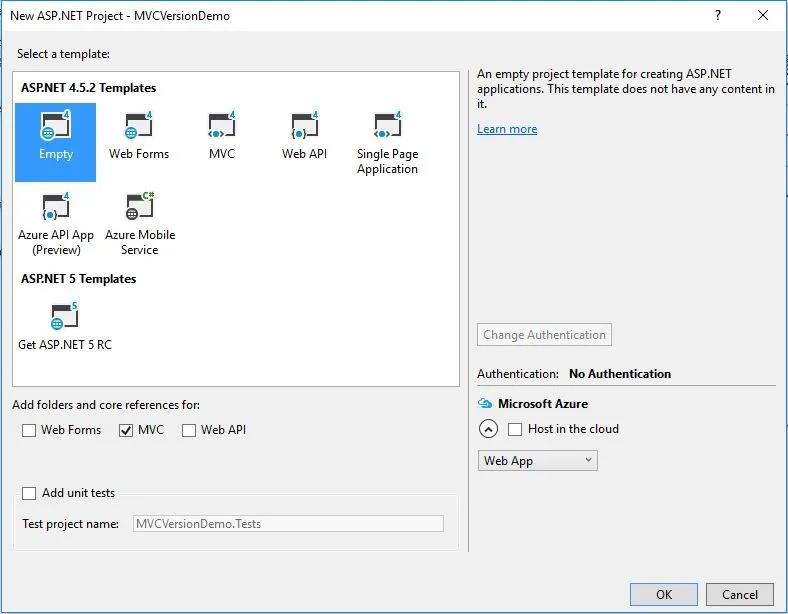
These years marked the absolute peak of .NET. If there was a framework that could rival ASPX, it was MVC. I remember my first formal job used MVC2 with VS2010, so I have a special attachment to this IDE. It was also a turning point from student life to the working world.
Let me clarify: I used VS2010 not in 2010, but in 2013, because back then everyone knew that Microsoft technologies should use stable versions; new things might be unstable. Unlike today's technology—if asked, the answer is "please update to the latest version."

VS2010 came with .NET Framework 4.0 and used MVC 1.1/2.0. Whether it was the framework itself, the overall color scheme, or even the fonts, it felt more like a new era:

5. Visual Studio 2012
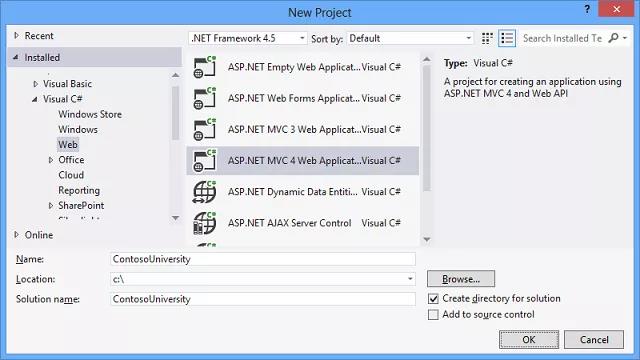
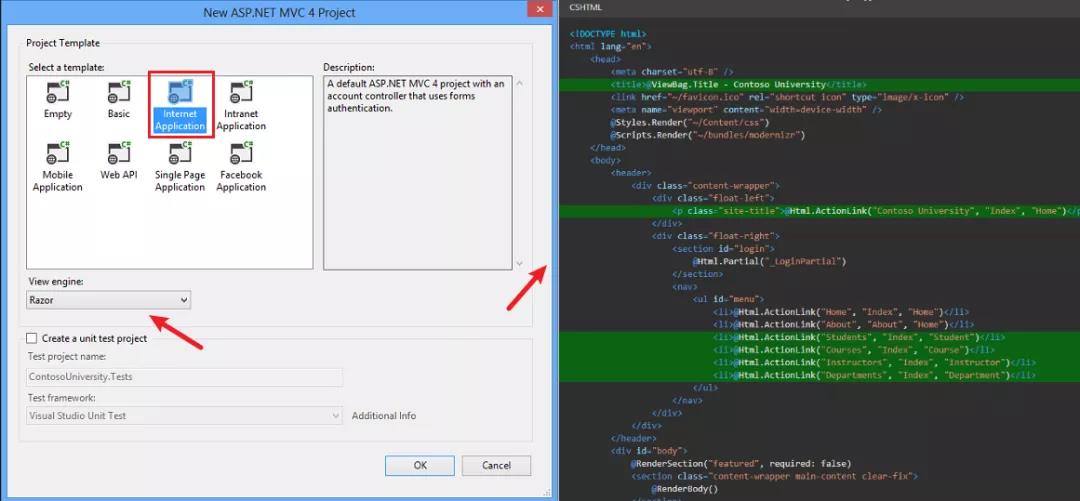
The rapid emergence of MVC brought unprecedented impact to the entire era. Microsoft's updates were also very fast, with minor updates almost every few months. MVC was updated together with .NET Framework. By VS2012, most people were using FWK 4.5 and MVC 4:

Taking 2012 as a landmark, a new technology—the Razor engine—appeared:

The Razor engine propelled MVC to its peak.
5. Visual Studio 2015
VS2015 was that peak, after which came a rapid decline until a new trendsetter emerged.
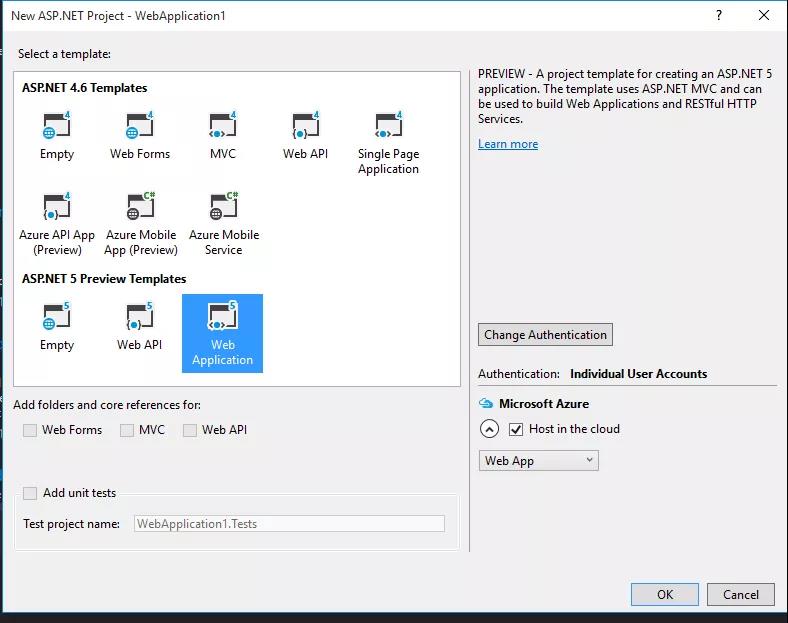
MVC continued to be promoted alongside FWK. .NET FWK 4.5 was paired with MVC 5, and .NET FWK 4.6 with MVC 6. All features had reached perfection:


Here's a brief summary of the relationship between MVC versions:

After the peak, it was eventually overtaken by the wave of cross-platform and open source. It was time for Microsoft to change.
6. Visual Studio 2017
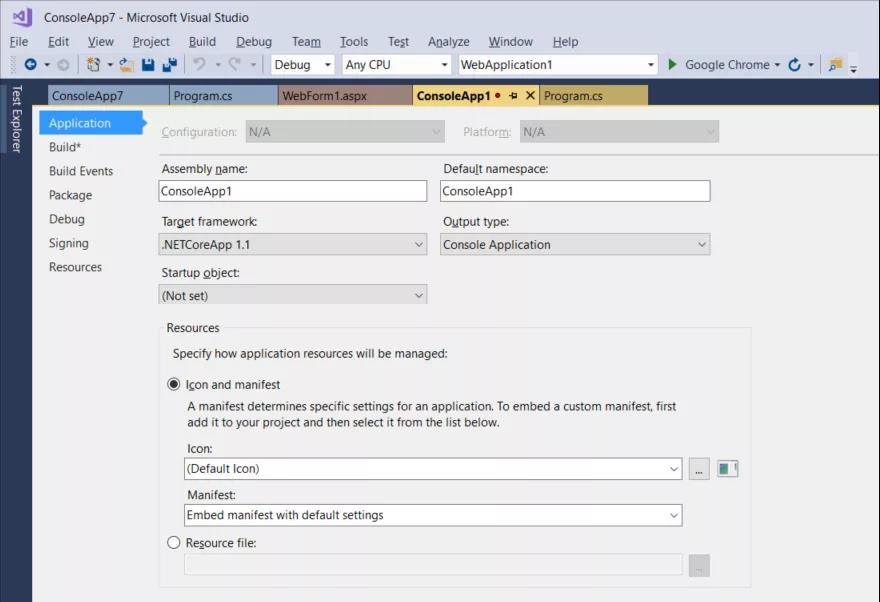
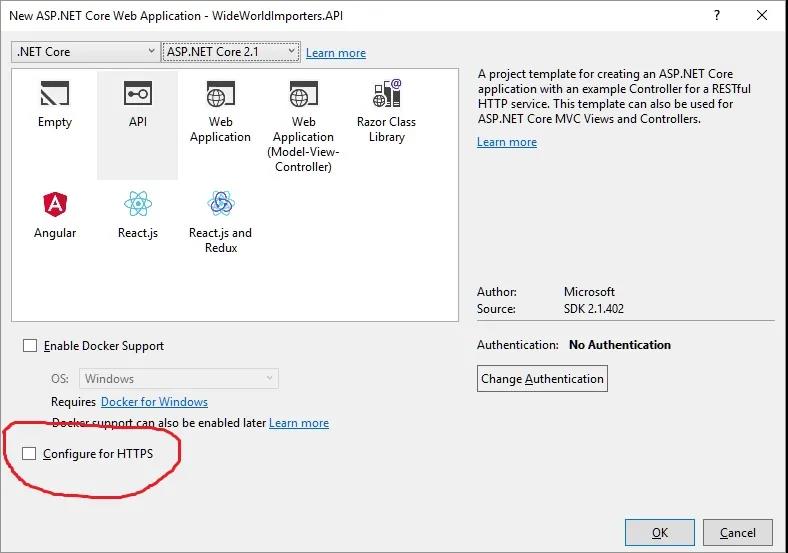
This huge and completely successful change was embracing open source and the community with .NET Core. Actually, VS2015 could already develop .NET Core, but it wasn't the most comfortable experience, so let's start with VS2017:

Many online tutorials today are mostly for version 2.1, and the blogs at that time were as numerous as the stars.

7. VS 2019~2022
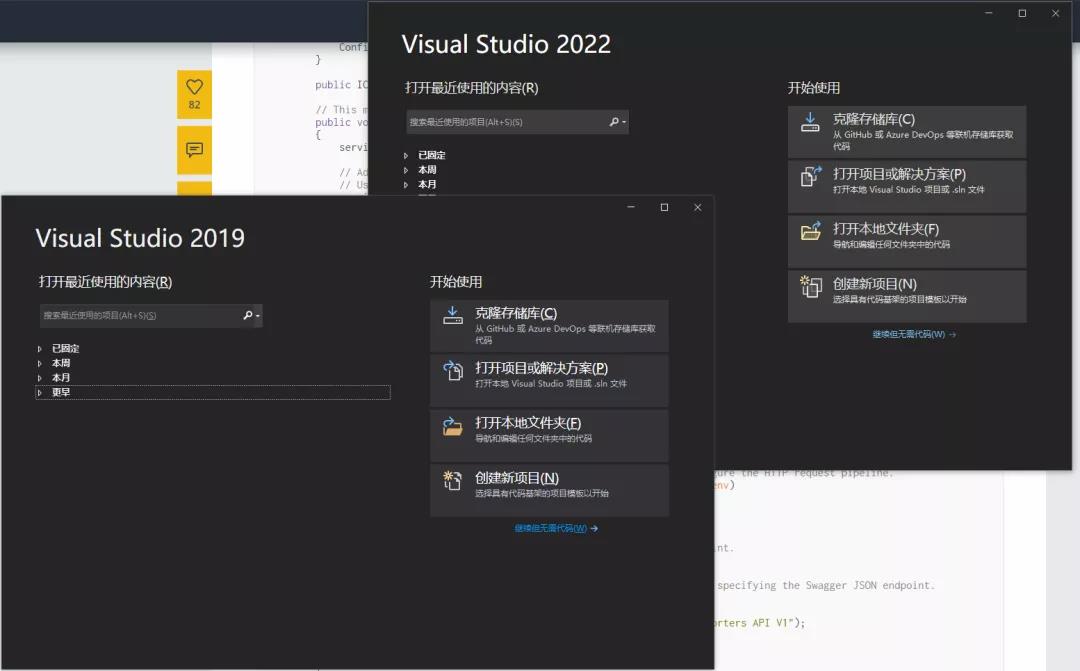
These are the versions everyone is currently using, mostly VS2019 and VS2022, corresponding to ASP.NET 5.0 and 6.0, with some still on 3.1.

.NET is now 20 years old. In the current state of software technology, it should be considered a veteran that has weathered many changes. It has kept its promises, embraced new technologies, adopted new ideas, and promoted new learning.
Wishing it another twenty years!
8. Share Your Story
Feel free to share your story with .NET (positive ones, of course). For example, when did you first encounter it, what technology was popular at that time, how many years have passed, what technology are you using now, and what new insights and thoughts do you have about .NET?